


Could Emotional Literacy Be More Important Than ABCs?

What The Colour Monster taught us about feelings, friendships, resilience and school readiness
This week at Fun Box Day Nursery, our children have been exploring the wonderful story The Colour Monster by Anna Llenas. 📚🌈
In recent months, we've written about emotional regulation and school readiness, but this week we have been thinking about an important skill that comes even before those things: emotional literacy.
Many parents naturally focus on helping children learn colours, numbers and letters. These are all important. However, there is another language that children need to learn too – the language of feelings. Emotional literacy is the ability to recognise, understand and talk about emotions. Before children can manage frustration, cope with disappointment, build friendships or ask for help, they first need to understand what they are feeling. This may sound simple, but it forms the foundation for many of the skills children will use throughout their lives.
Why Emotional Literacy Matters
Research increasingly suggests that success in life depends on more than academic knowledge alone. Skills such as resilience, empathy, cooperation, confidence and problem-solving all have their roots in children's emotional development. When children start school, teachers are not only looking for children who can recognise numbers or write their names. They are also helping children learn how to take turns, cope when things do not go their way, work alongside others and express their needs appropriately.
These skills begin with emotional literacy. A child who can say, "I feel sad," "I'm worried," or "I'm frustrated," is already taking the first steps towards managing those feelings in a healthy way.
Bringing Feelings to Life Through Play
One of the reasons The Colour Monster is such a powerful story is that it helps children make sense of emotions by giving them colours, images and characters. Feelings that can sometimes seem confusing suddenly become easier to recognise and talk about.
Throughout the week, our children explored emotions in many different ways.
They created their own colourful monsters using paint, glue, googly eyes and coloured water blobs, helping to bring the story characters to life.
They used pipettes to stain cotton wool and paper faces with different colours, carefully matching each colour to a different emotion while developing their fine motor skills at the same time.
Outside in the garden, practitioners called out different feelings and the children eagerly searched for the matching chalk-drawn Colour Monster, standing on the emotion they thought matched the feeling. This simple game encouraged children to think about emotions, recognise them and connect them with visual cues.
We also spent time reading the story together and exploring our collection of crocheted Colour Monsters, discussing the different feelings each one represented.
The children sorted coloured shapes to the matching monsters, filled feelings jars with coloured pom-poms and talked about situations that might make us feel happy, sad, calm, angry, scared or loved.
One particularly engaging activity involved looking closely at ourselves in the "Monster Mirror". As we pulled different facial expressions, the children began to notice how our faces change when we experience different emotions. These observations help children understand not only their own feelings, but also the feelings of others.
Finally, we worked together to create a large picture of a Colour Monster whose emotions had become all mixed up, just like in the story. This provided a wonderful opportunity to talk about how sometimes our feelings can feel confusing or tangled, and that this is perfectly normal.
How Children Learn the Language of Feelings
Children do not learn emotional literacy through lessons alone. They learn it through thousands of everyday interactions with caring adults. When an adult says:
"You look disappointed that the game has finished." Or "I can see you're feeling excited about what's happening next."
they are helping children put words to their experiences.
Over time, children begin to build a vocabulary for emotions, making it easier to communicate their needs, seek support and understand others.
A Skill for Life
At Fun Box, we believe that learning about feelings is every bit as important as learning about letters and numbers.
Emotional literacy helps children develop confidence, build friendships, show empathy, cope with challenges and become more resilient learners. It lays the foundations for emotional regulation, positive relationships and successful transitions into school and beyond. Through stories such as The Colour Monster, meaningful conversations and playful experiences, children begin to understand that all feelings are welcome, all emotions have meaning, and every feeling can be talked about.
Because before children can manage their emotions, they first need to understand them. ❤️
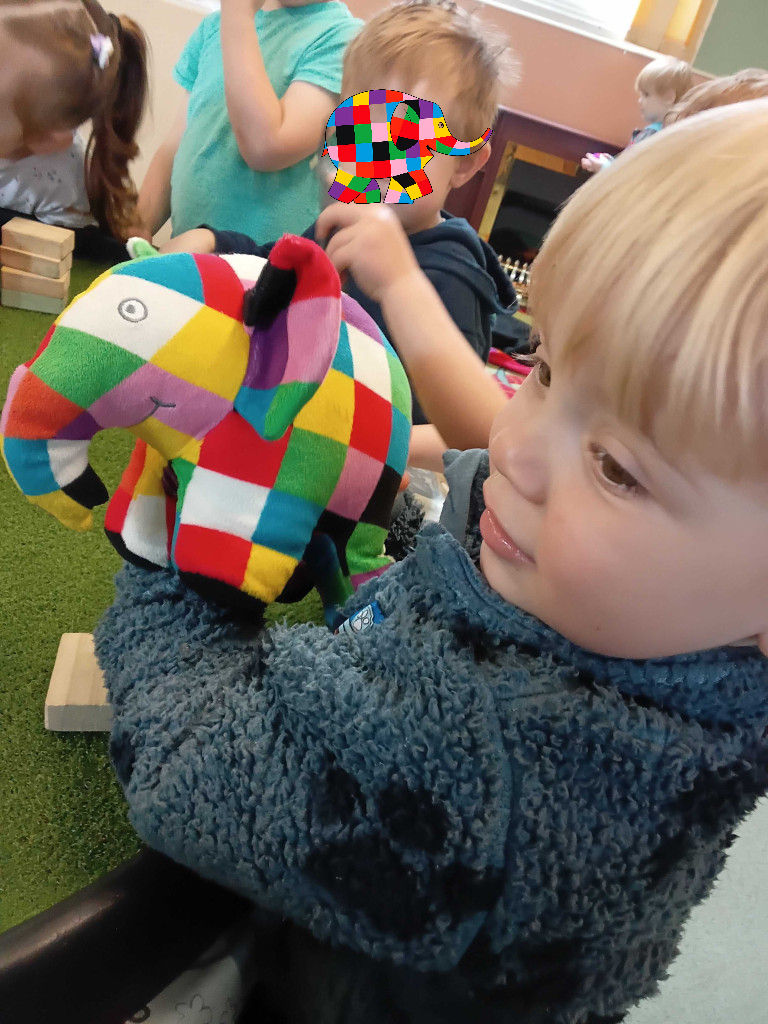
Do you want to learn more about emotional regulation? Check out our article about Elmer:
Comments